Electric Vehicles (EVs) are no longer a future concept—they are rapidly becoming the present. From compact city cars to premium SUVs and high-performance electric bikes, EVs are transforming how the world moves. This pillar guide is designed to explain electric vehicles from the ground up, making it useful for beginners, buyers, students, and EV enthusiasts alike.
Whether you are planning to buy an EV, write about EVs, or simply understand how they work, this guide will give you a clear, practical, and future-ready understanding.
What Is an Electric Vehicle (EV)?
An Electric Vehicle (EV) is a vehicle that uses electric power instead of petrol or diesel to move. Unlike traditional internal combustion engine (ICE) vehicles, EVs run on electricity stored in a battery pack, which powers an electric motor.
Key difference from fuel vehicles:
- No fuel tank
- No exhaust pipe
- No engine oil
- No tailpipe emissions
EVs are quieter, cleaner, and more efficient, making them ideal for modern urban and highway usage.
How Do Electric Vehicles Work?
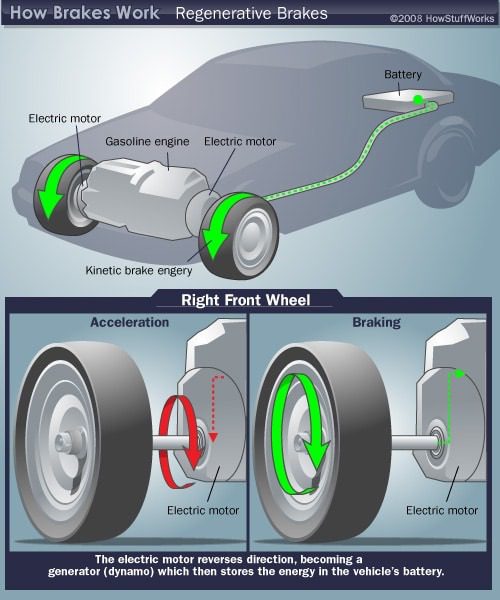
The working principle of an EV is surprisingly simple.
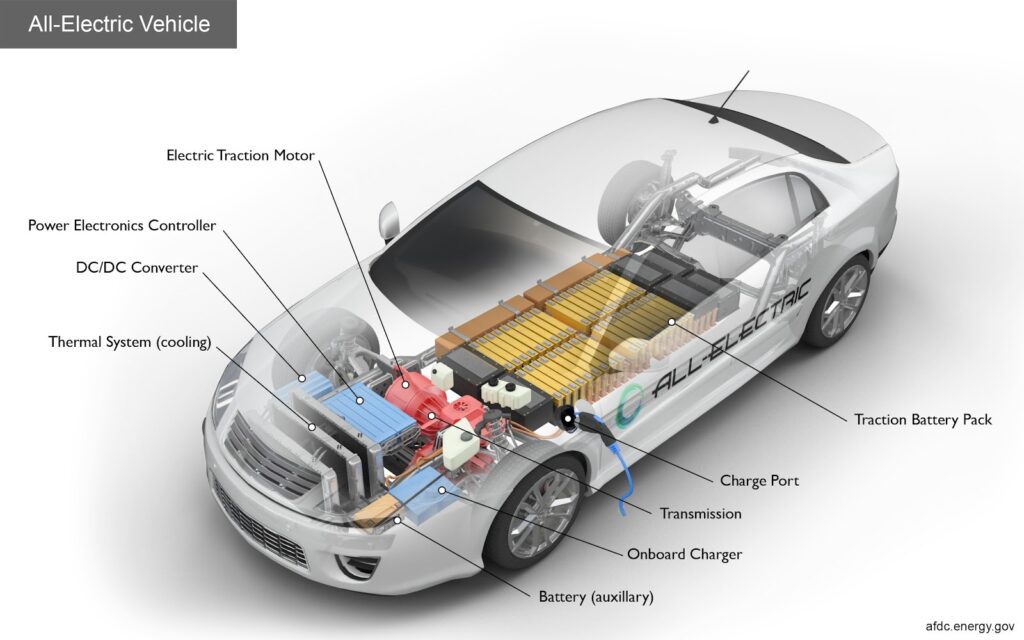
Main Components of an EV:
- Battery Pack – Stores electricity (measured in kWh)
- Electric Motor – Converts electricity into motion
- Inverter – Converts DC power to AC
- Controller – Manages power flow
- Onboard Charger – Charges the battery
- Regenerative Braking System – Recovers energy while braking
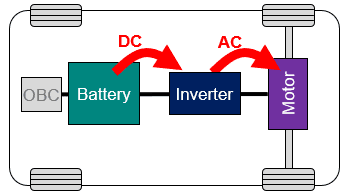
Step-by-step process:
- You press the accelerator
- Battery sends power to the inverter
- Inverter powers the motor
- Motor rotates wheels
- Braking sends energy back to the battery
This is why EVs feel instant, smooth, and silent.
Read Also: Family EV cars with child safety features
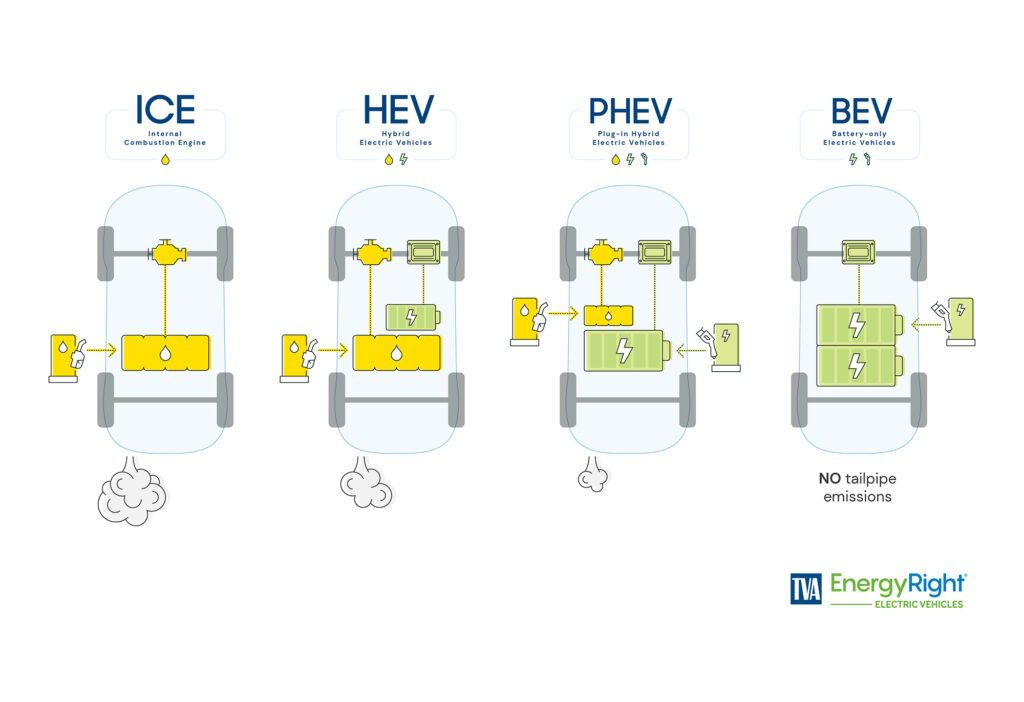
Types of Electric Vehicles Explained
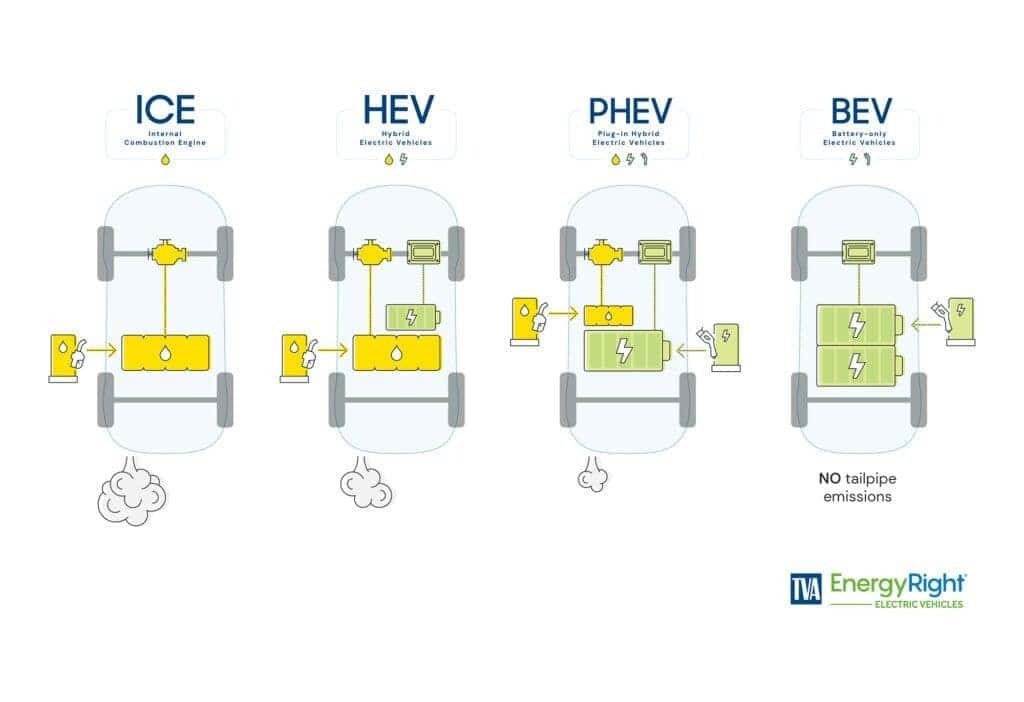
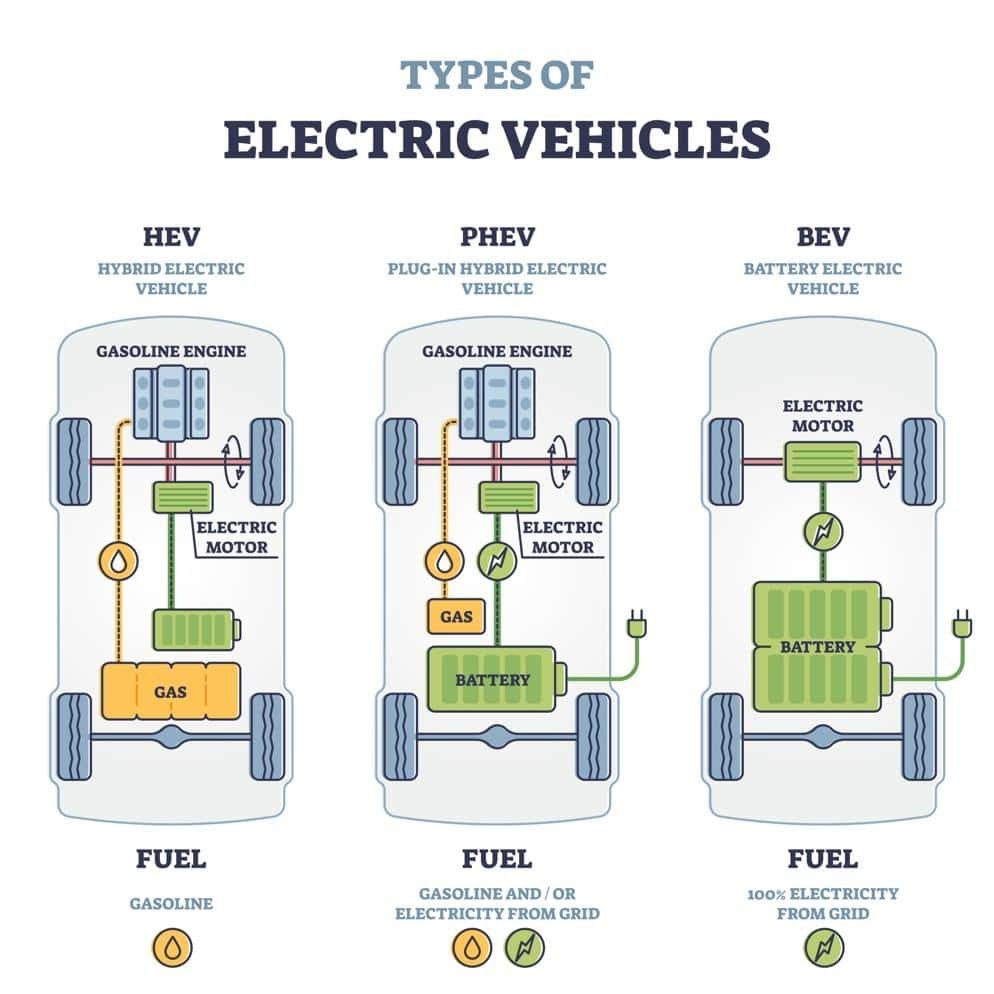
Understanding EV types is crucial before buying.
1. Battery Electric Vehicle (BEV)
- Runs 100% on electricity
- No petrol or diesel engine
- Needs charging only
Examples: Electric cars, scooters, buses
✅ Zero emissions
❌ Needs charging infrastructure
2. Plug-in Hybrid Electric Vehicle (PHEV)
- Has both battery and fuel engine
- Can be charged externally
- Short electric-only range
✅ Flexible
❌ Complex system
3. Hybrid Electric Vehicle (HEV)
- Battery charges automatically
- No external charging
- Mostly fuel-powered
✅ Fuel efficient
❌ Not fully electric
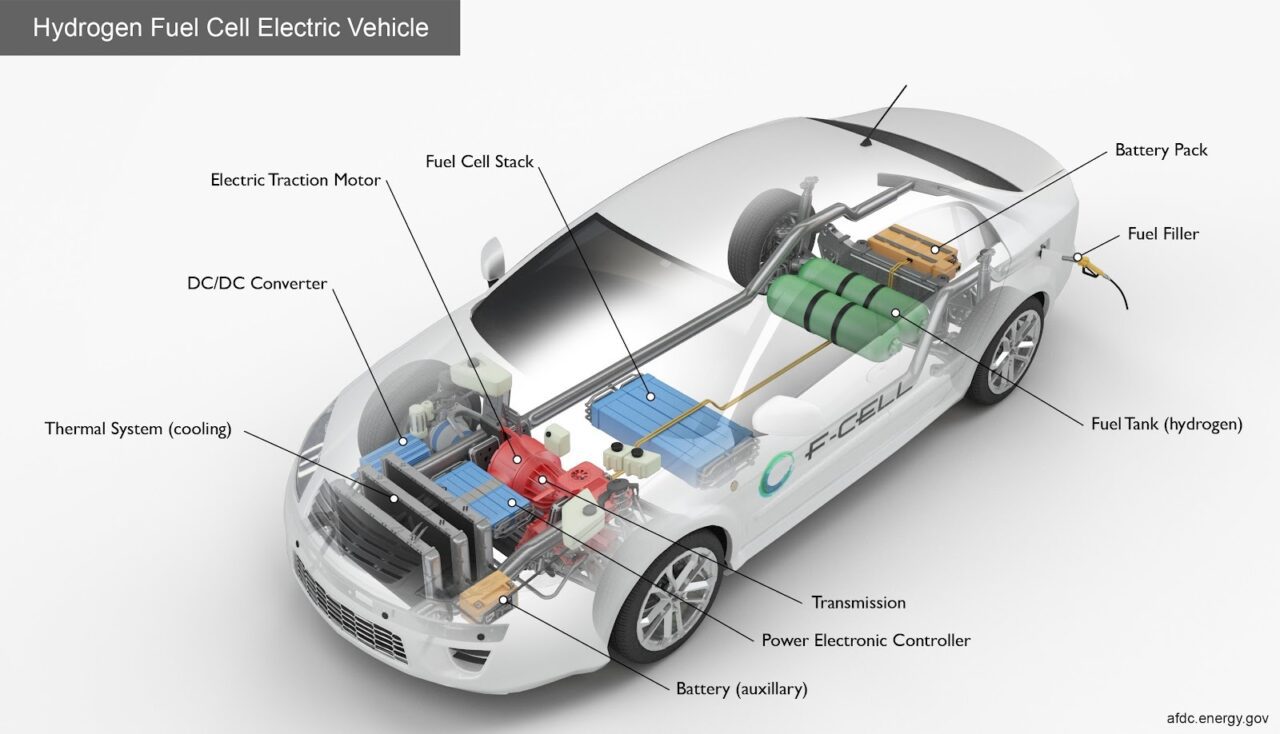
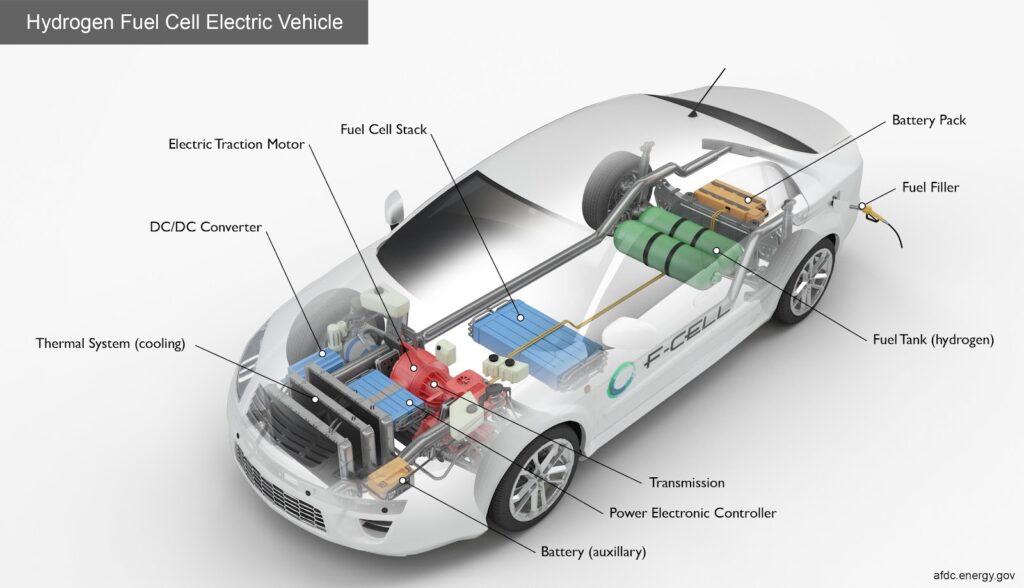
4. Fuel Cell Electric Vehicle (FCEV)
- Uses hydrogen fuel cells
- Produces electricity onboard
✅ Zero emissions
❌ Very limited availability
EV vs Petrol vs Diesel: Real Comparison
| Feature | Electric Vehicle | Petrol Vehicle | Diesel Vehicle |
| Fuel Cost | Very Low | High | Medium |
| Maintenance | Low | High | High |
| Noise | Silent | Loud | Loud |
| Emissions | Zero | High | Very High |
| Acceleration | Instant | Slow | Medium |
Conclusion: EVs win in cost, comfort, and sustainability.
Common EV Terminology Explained (Simple Words)
- kWh (Kilowatt-hour): Battery capacity
- Range: Distance EV can travel on one charge
- Fast Charging: High-speed public charging
- AC / DC Charging: Home vs public charging
- Regen Braking: Energy recovery while braking
- SOC: State of Charge (% battery left)
This terminology helps users understand EV specs clearly.
EV Range: What It Really Means
EV range depends on:
- Battery size
- Driving style
- Speed
- Road conditions
- Air conditioning usage
👉 Real-world range is usually 10–20% lower than claimed range.
Tip: City driving gives better range than highways.
Charging an Electric Vehicle: Basics
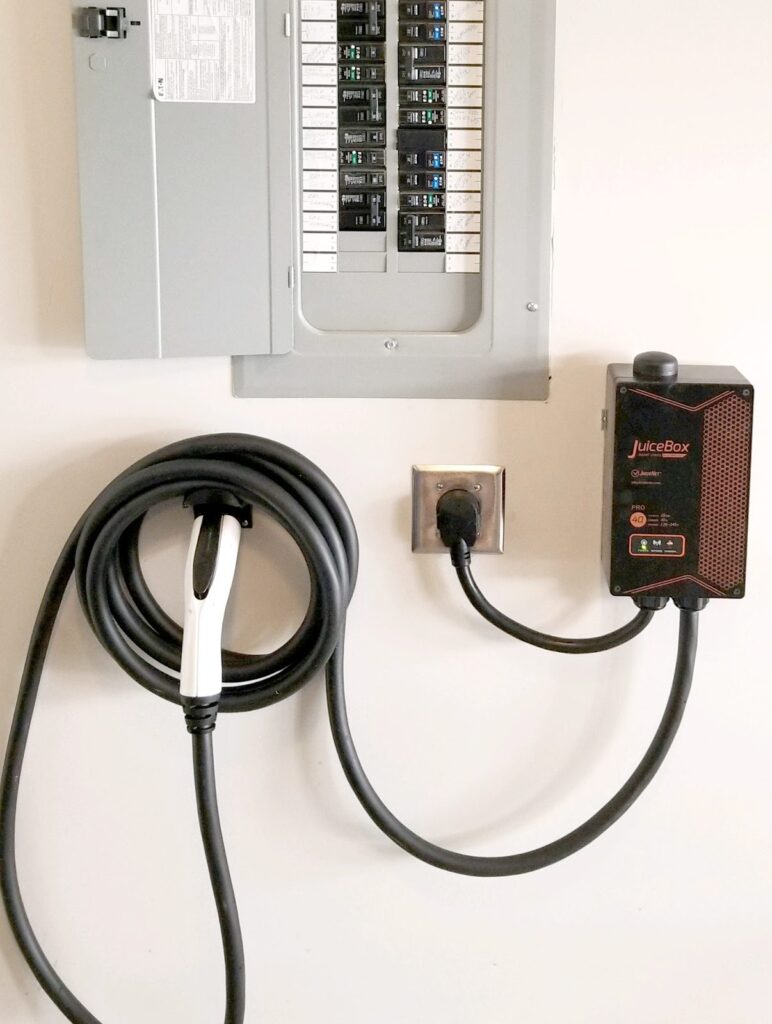
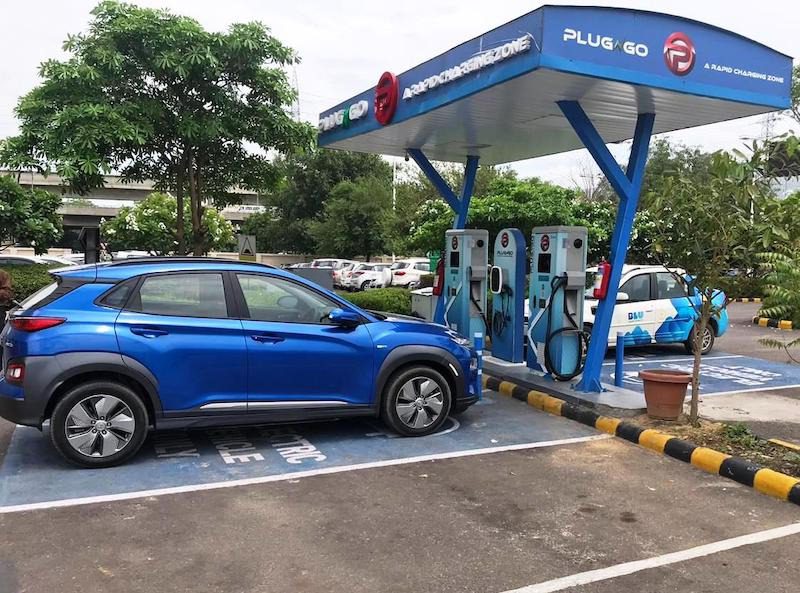
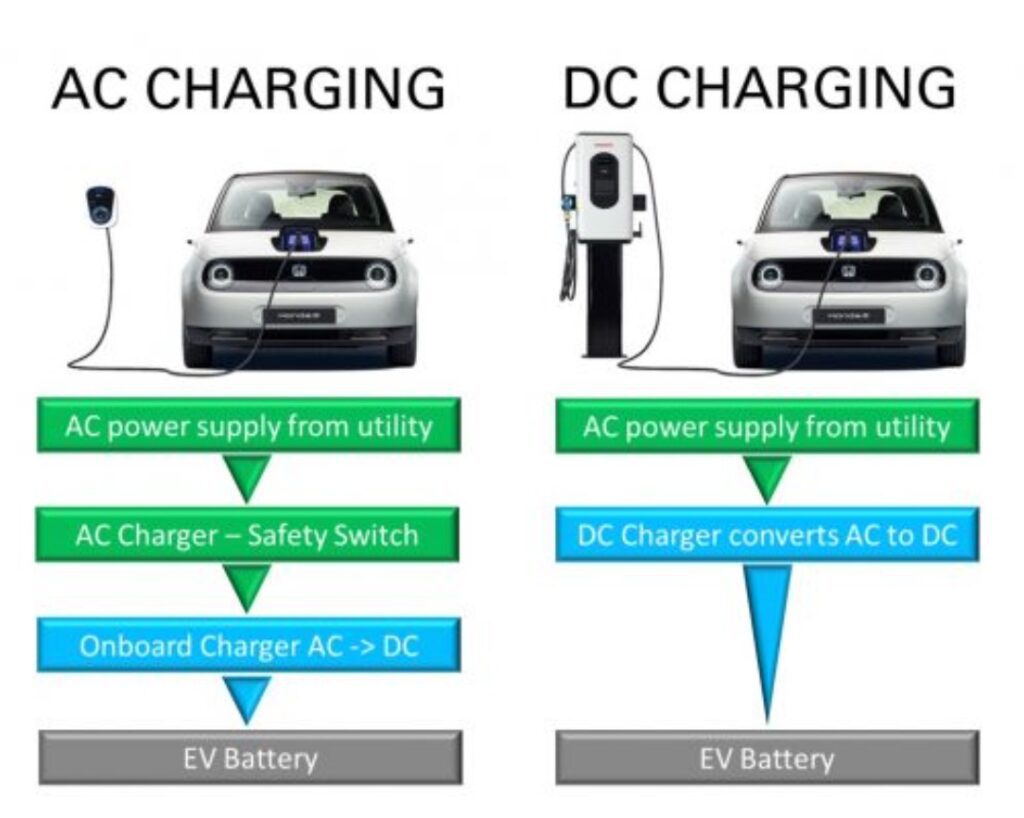
Charging Options:
- Home Charging: Slow but convenient
- Public Charging: Fast and paid
- Workplace Charging: Growing trend
Charging time can range from 30 minutes to 8 hours, depending on charger type.
Are Electric Vehicles Safe?
Yes. Modern EVs are designed with:
- Waterproof batteries
- Crash protection
- Thermal management
- Fire safety systems
EVs undergo strict safety testing, similar to petrol cars.
Myths About Electric Vehicles (Debunked)
❌ EVs are slow
✅ EVs have instant torque
❌ EV batteries fail quickly
✅ Batteries last 8–12 years
❌ EVs are expensive
✅ Lower running cost saves money
❌ EVs are not eco-friendly
✅ Lifetime emissions are much lower
Environmental Impact of EVs
EVs:
- Reduce air pollution
- Lower CO₂ emissions
- Support renewable energy usage
- Reduce oil dependency
Even when charged from fossil-fuel electricity, EVs are cleaner than ICE vehicles over their lifetime.
Is an EV Right for You?
An EV is ideal if:
- You drive daily in the city
- You want low running costs
- You care about sustainability
- You have charging access
Not ideal if:
- You drive long rural routes daily
- Charging access is limited
Final Thoughts: Why EV Knowledge Matters
Electric Vehicles are not just cars—they represent a global shift in transportation. Understanding EV basics helps buyers make smarter decisions and prepares users for a future where electric mobility becomes the norm.
открыть магазин низких цен в своём городе https://oneprice.shop/
https://24net.kz/go?url=http://oneprice.shop
Купить пластиковые окна на заказ в Москве — это отличный способ улучшить энергоэффективность вашего дома и повысить его комфорт.
Приобретение пластиковых окон на заказ в Москве позволяет добиться отличного качества.
Купить пластиковые окна на заказ в Москве — это отличный способ улучшить энергоэффективность вашего дома и повысить его комфорт.
Обращайте внимание на коэффициент теплопроводности и прочность стеклопакетов.
[…] Read Also: Electric Vehicles Explained: The Complete Beginner-to-Expert Guide (2026) […]
[…] Read Also: Electric Vehicles Explained: The Complete Beginner-to-Expert Guide (2026) […]