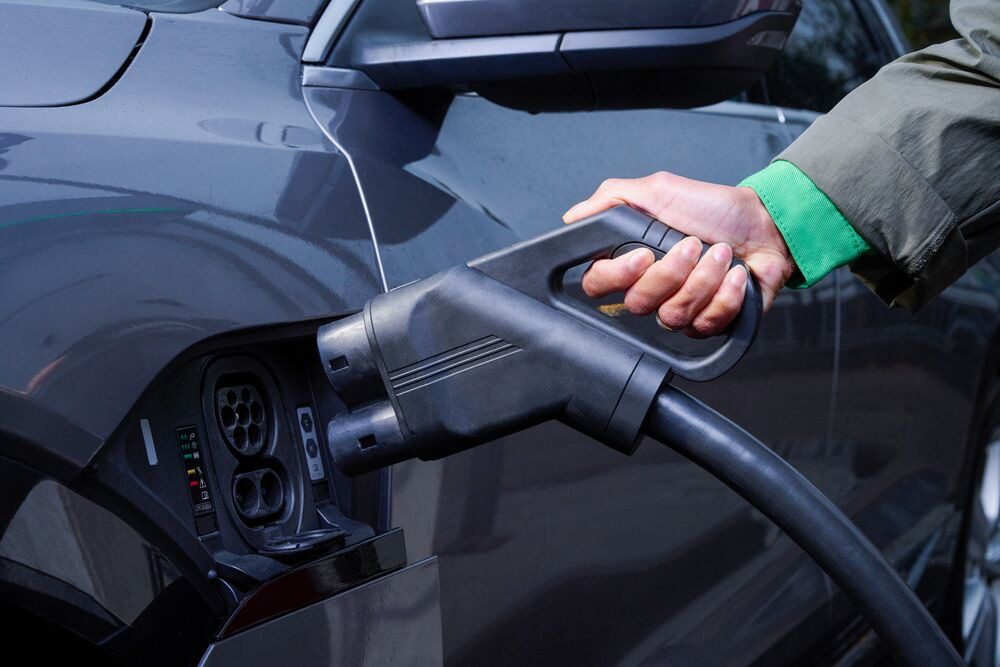
Electric Vehicle (EV) charging is the backbone of electric mobility. No matter how advanced an electric car is, its real-world usability depends on how easily, safely, and affordably it can be charged. For many people considering an EV, charging remains the biggest question mark.
This pillar guide explains everything about EV charging—from basic concepts to advanced fast-charging technology—so beginners and experienced EV owners alike can make confident decisions.
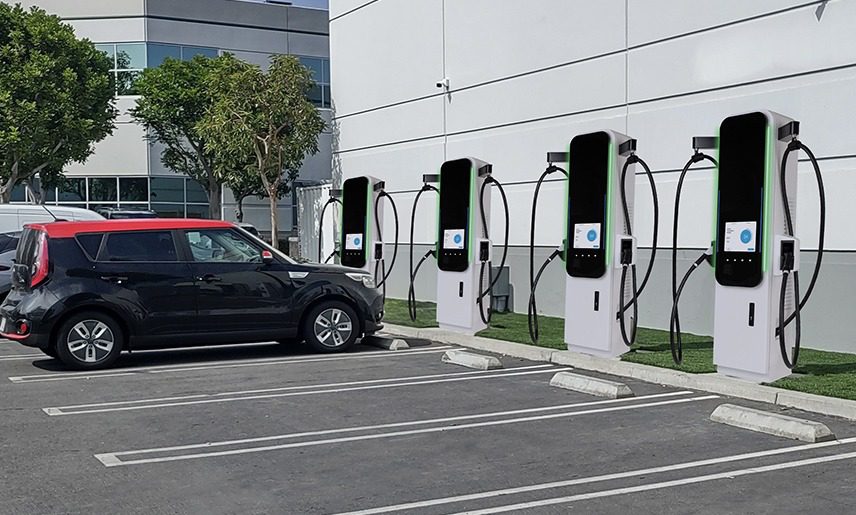
What Is EV Charging?
EV charging is the process of supplying electrical energy to an electric vehicle’s battery so it can power the motor and run accessories. Unlike petrol or diesel vehicles, EVs can be charged at home, at work, or at public stations.
EV charging is:
- Cleaner than fuel refilling
- More flexible (charge while parked)
- Often cheaper per kilometre
How EV Charging Works (Simple Explanation)
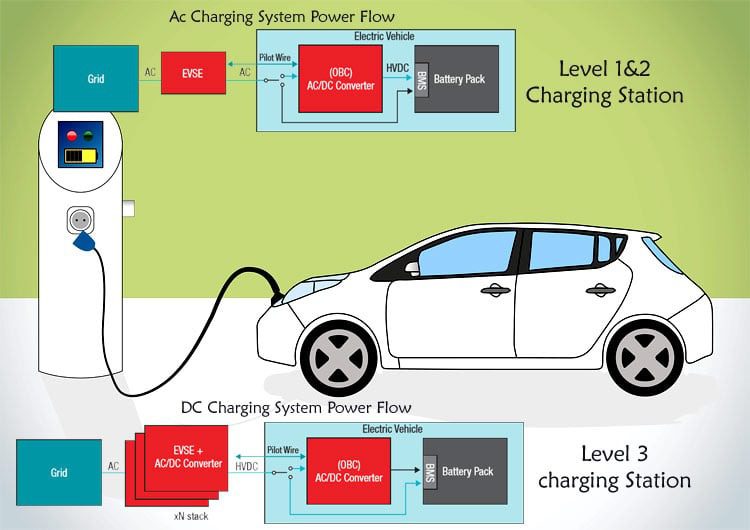
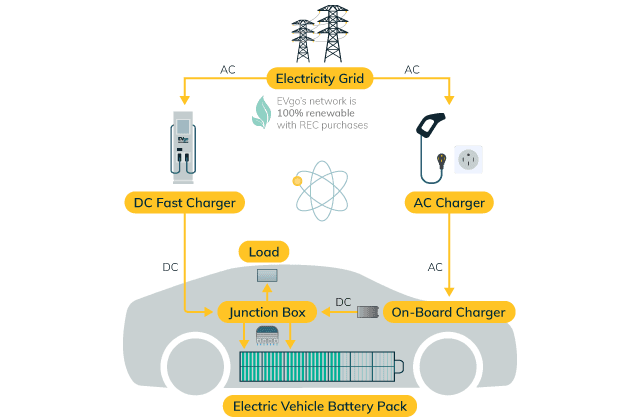
When you plug an EV into a charger:
- Electricity flows from the power source
- The charger regulates voltage and current
- The battery management system (BMS) controls safe charging
- Energy is stored in the battery as DC power
Modern EVs automatically stop charging when full, preventing overcharging.
Types of EV Charging (Most Important Section)
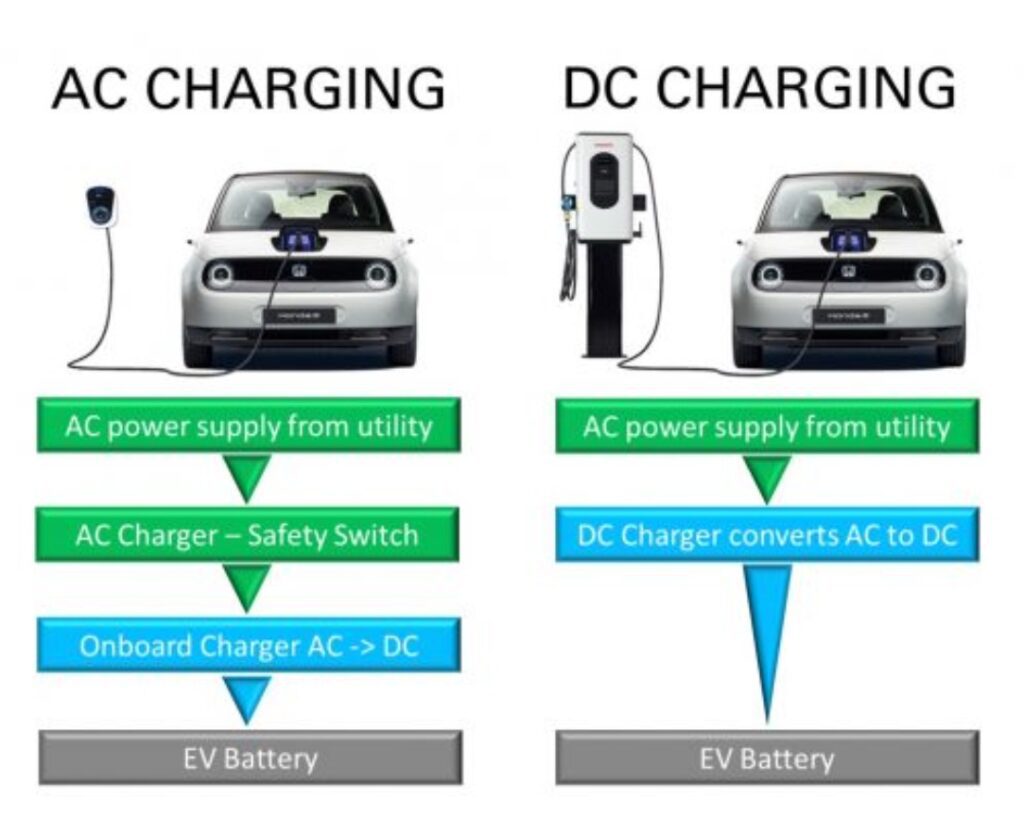
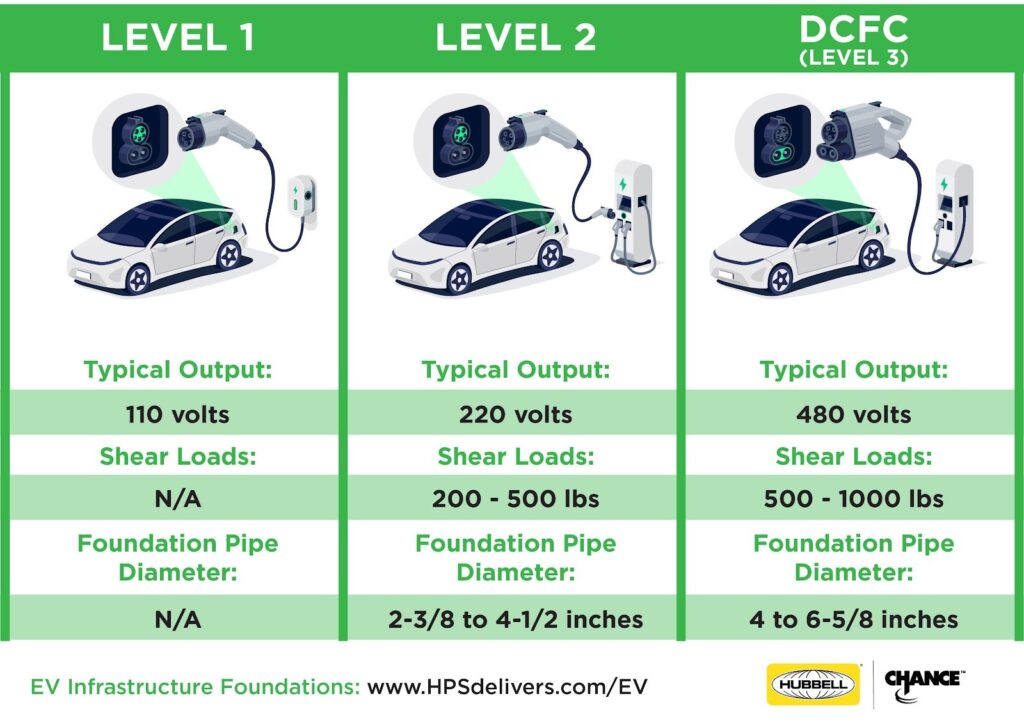
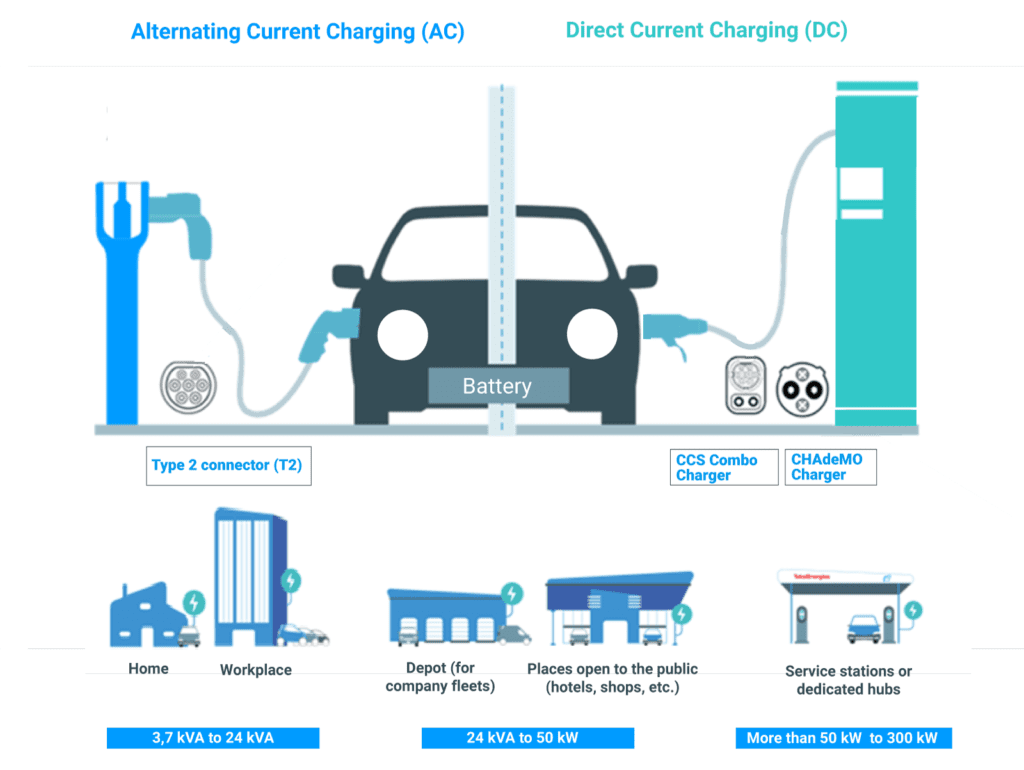
1. AC Charging (Slow / Normal Charging)
Best for: Home and office use
- Uses alternating current (AC)
- Power is converted inside the vehicle
- Slower but battery-friendly
Charging time:
⏱️ 6–10 hours (full charge)
Where used:
- Homes
- Apartments
- Workplaces
2. DC Fast Charging
Best for: Highways and public stations
- Supplies direct current (DC) directly to the battery
- Much faster than AC charging
Charging time:
⏱️ 30–60 minutes (0–80%)
Where used:
- Highways
- City fast-charging hubs
- Commercial stations
3. Ultra-Fast / Rapid Charging
- High-power DC chargers
- Designed for long-distance travel
- Still limited in availability
⚠️ Frequent ultra-fast charging may increase battery degradation over time.
Read Also: EV Charging Explained in India 2026: Home, Fast Charging, Cost & Types
Home EV Charging: The Most Convenient Option
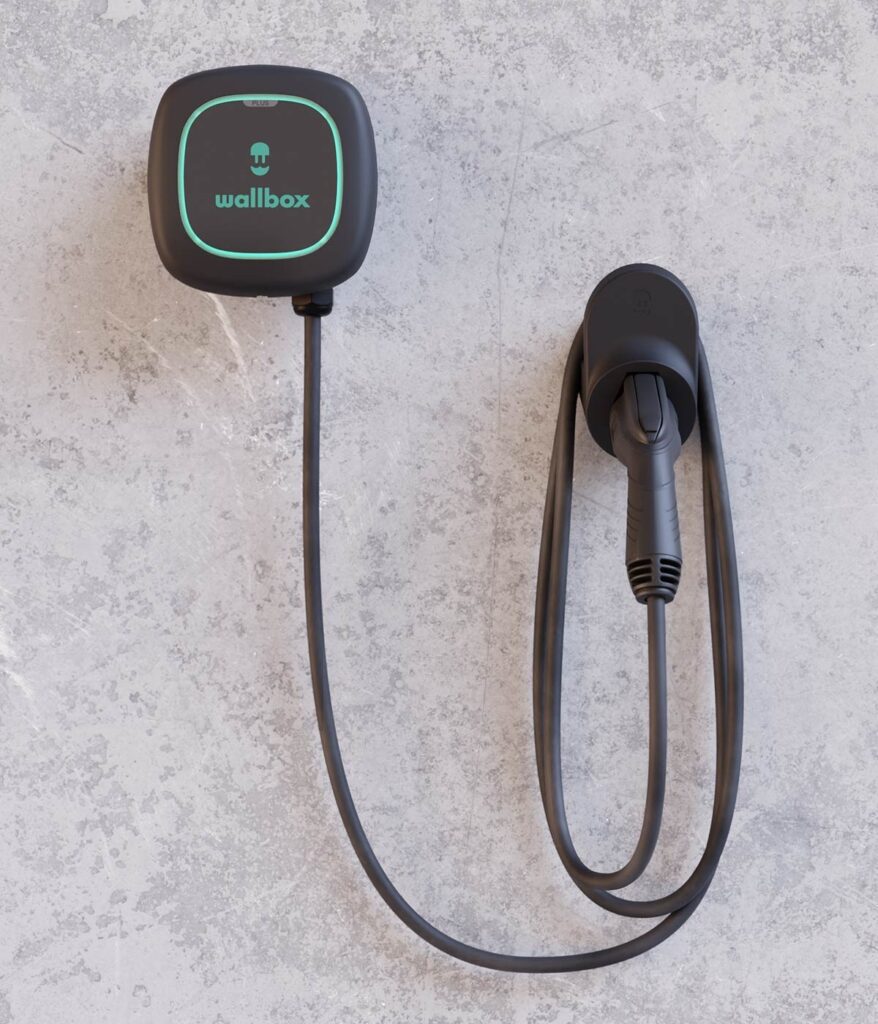
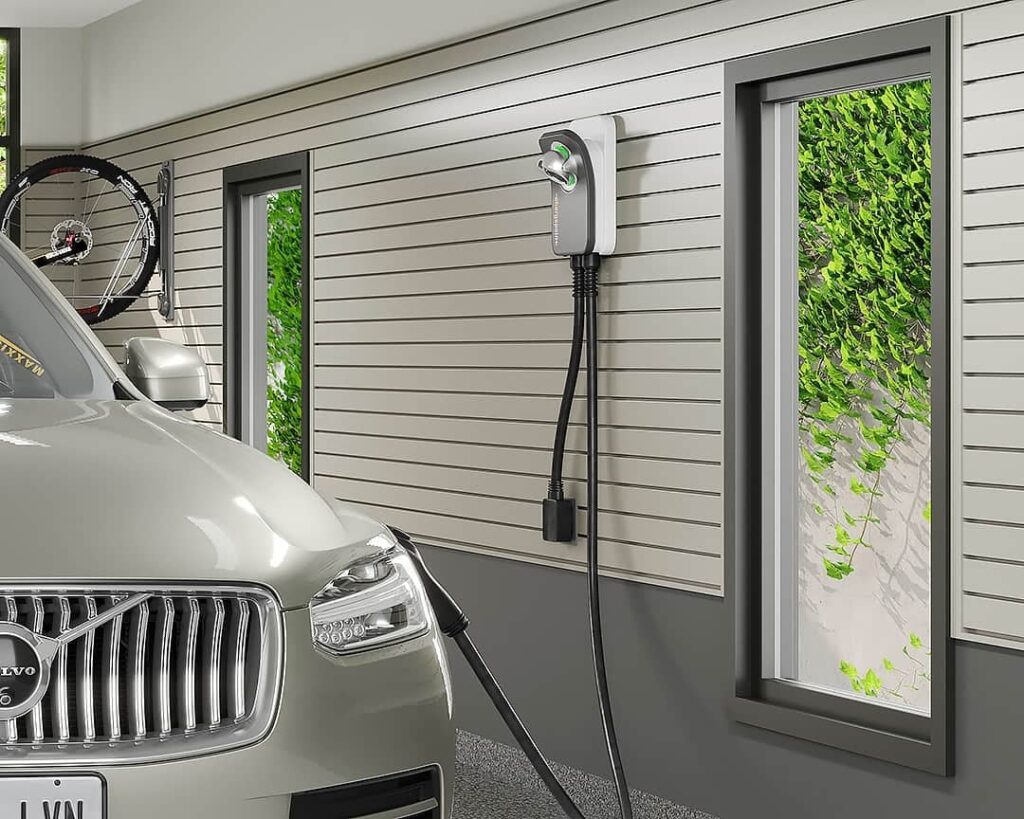
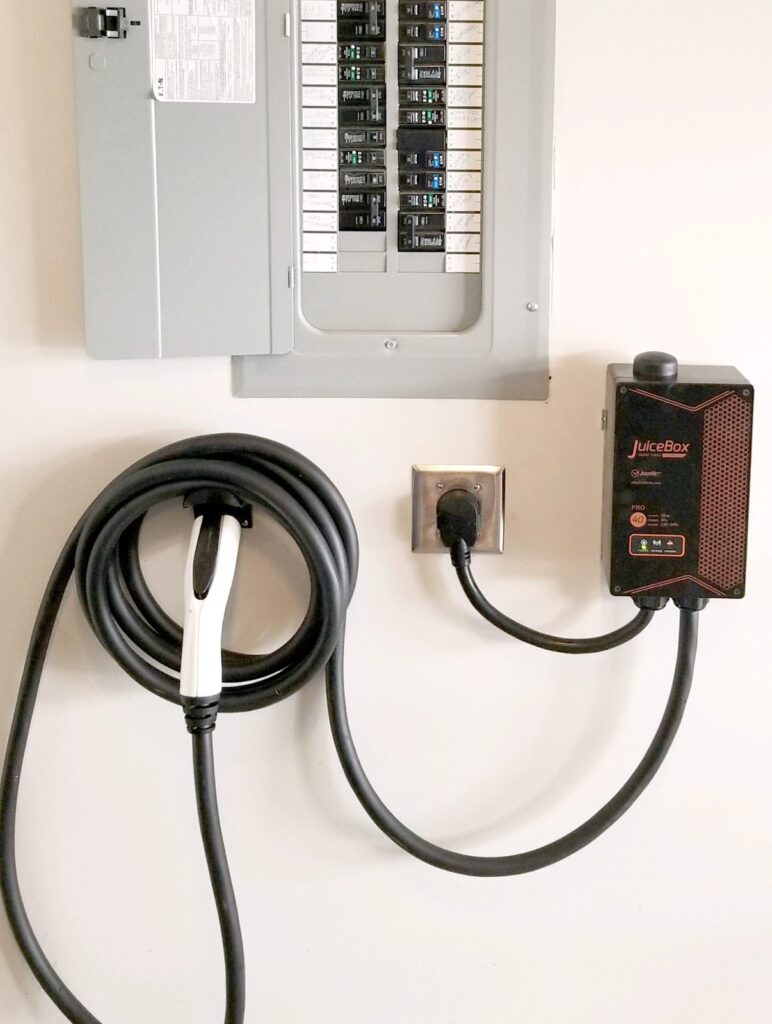
Home charging is the most common and economical way to charge an EV.
Home Charging Options:
- Standard wall socket (slow)
- Dedicated wall-mounted charger (recommended)
Benefits:
- Charge overnight
- Lowest cost per unit
- No waiting time
- Safe and controlled
Home Charging Cost:
- Depends on electricity tariff
- Usually far cheaper than fuel
Read Also: Family EV cars with child safety features
Public EV Charging Stations
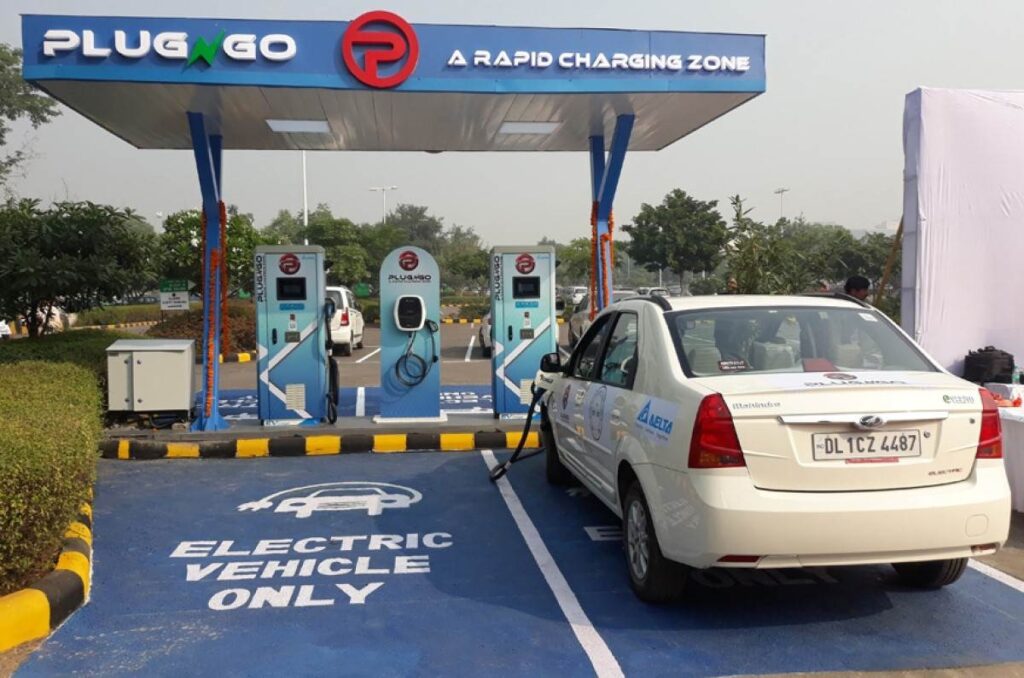
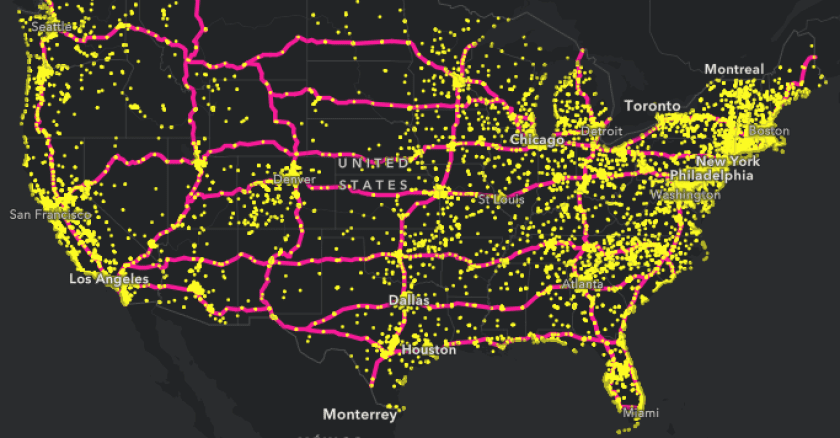
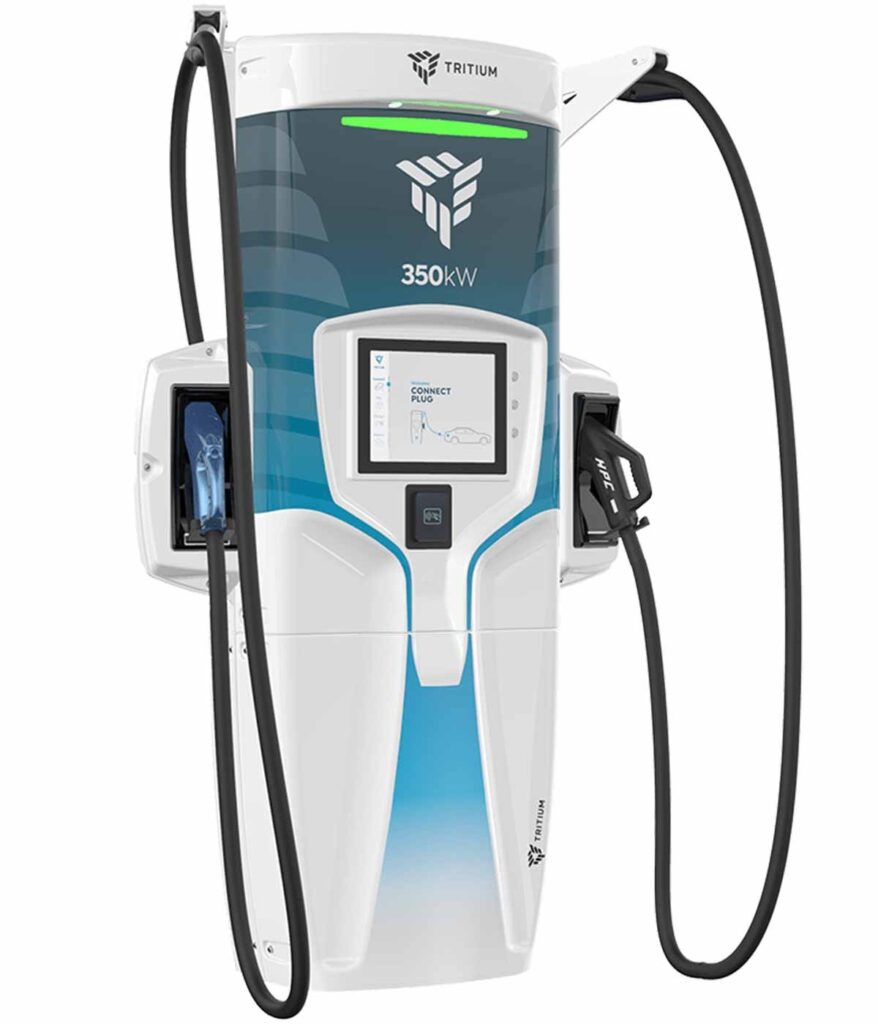
Public charging supports:
- Apartment dwellers
- Highway travel
- Emergency top-ups
Types of Public Stations:
- AC public chargers
- DC fast chargers
- Highway charging corridors
Most public chargers are app-based, allowing:
- Slot booking
- Payment
- Live charger availability
EV Charging Time: What Affects It?
Charging time depends on:
- Battery size (kWh)
- Charger power (kW)
- State of charge
- Battery temperature
- Charger type (AC/DC)
Key reality:
Charging from 0–80% is fast, but 80–100% is slower to protect the battery.
EV Charging Cost Explained (Per km Logic)
EV charging cost is usually calculated as:
Electricity cost ÷ km driven
Factors affecting cost:
- Electricity rate
- Vehicle efficiency
- Charging losses
- Public charging fees
In most cases, EV running cost is 60–75% lower than petrol vehicles.
AC vs DC Charging: Which Is Better?
| Feature | AC Charging | DC Fast Charging |
| Speed | Slow | Fast |
| Cost | Low | High |
| Battery Health | Better | Slight impact |
| Best Use | Daily charging | Long trips |
Best practice:
Use AC charging daily, DC charging only when needed.
Is EV Charging Safe?
Yes. Modern EV charging systems include:
- Over-voltage protection
- Temperature monitoring
- Automatic cut-off
- Waterproof connectors
- Fire-retardant cables
EVs are designed to withstand rain, floods, and power fluctuations when charged correctly.
EV Charging Myths (Debunked)
❌ Charging damages batteries
✅ Smart charging protects batteries
❌ EVs can’t be charged in rain
✅ Chargers are weatherproof
❌ Charging takes too long
✅ Most daily charging happens overnight
❌ Charging infrastructure is insufficient
✅ Rapidly expanding every year
Charging EVs Using Solar Power
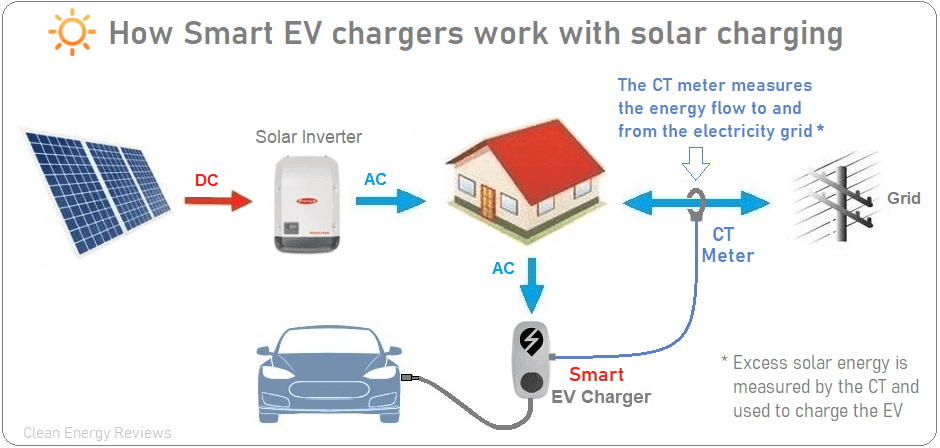
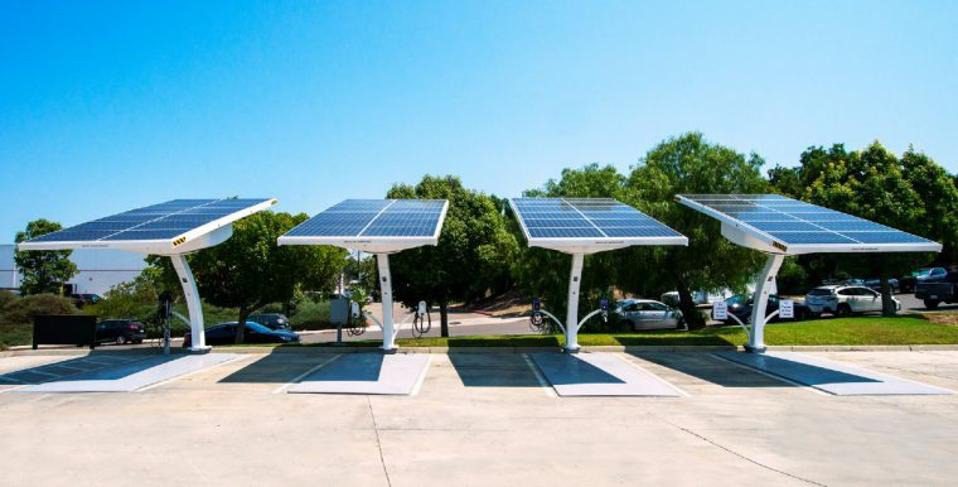
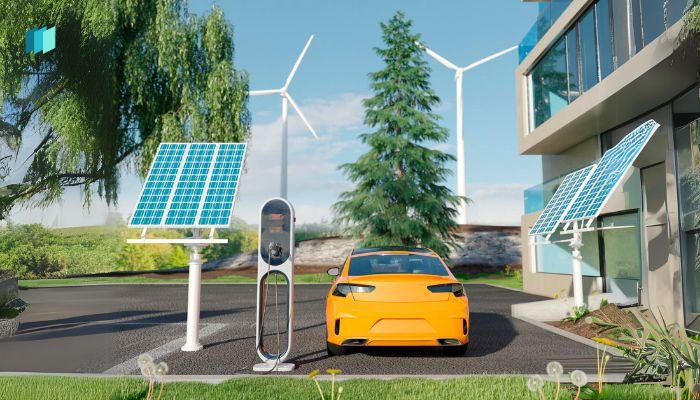
Solar EV charging is gaining popularity.
Benefits:
- Zero fuel cost
- Clean energy
- Reduced electricity bills
- Long-term savings
Ideal for:
- Independent houses
- EV fleets
- Sustainable users
Battery Health & Charging Habits
To extend battery life:
- Avoid frequent 100% charging
- Do not drain battery to 0% often
- Prefer slow charging
- Avoid extreme heat during charging
Good charging habits can extend battery life beyond 8–10 years.
EV Charging Infrastructure: The Future
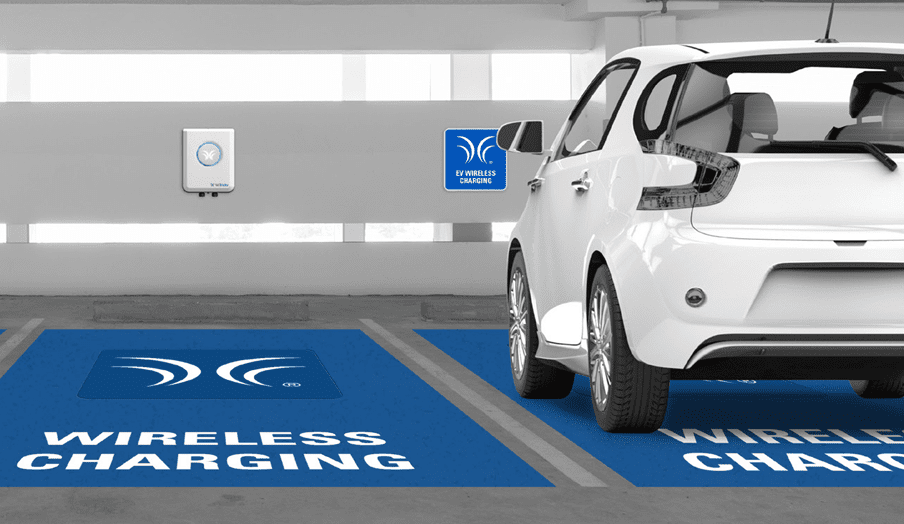
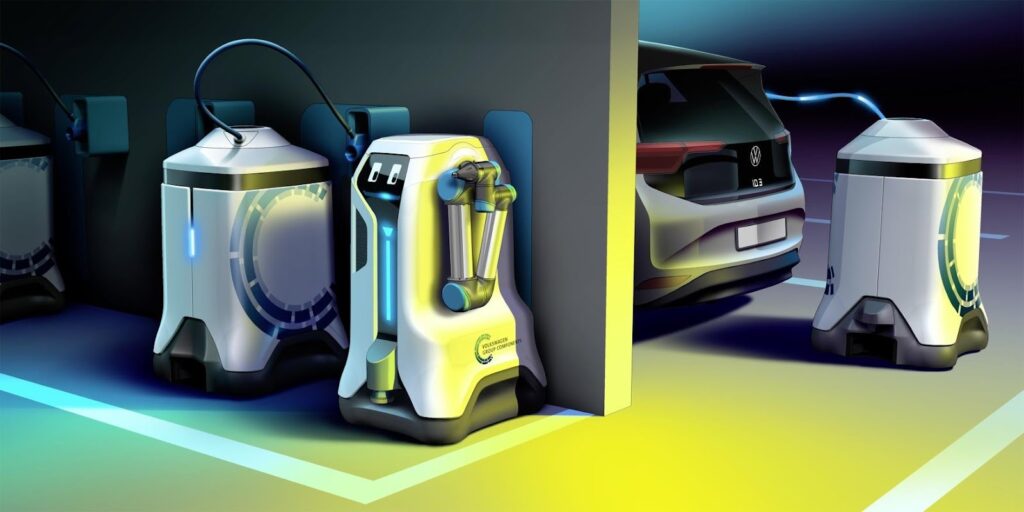
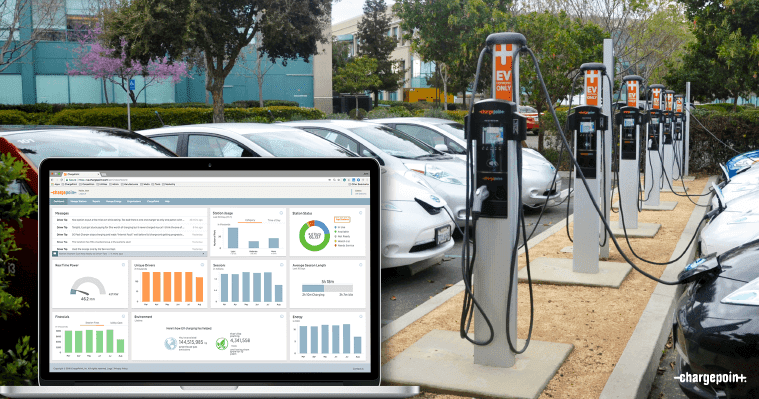
The future of EV charging includes:
- Wireless charging
- Ultra-fast chargers
- Smart grid integration
- Solar + storage charging
- AI-based energy management
Charging will become faster, smarter, and invisible.
Read Also: Electric Vehicles Explained: The Complete Beginner-to-Expert Guide (2026)
Is EV Charging a Problem in Real Life?
For most users:
- Daily driving needs are small
- Overnight charging is enough
- Public chargers cover long trips
Once users adapt, range anxiety disappears.
Final Thoughts: Why EV Charging Knowledge Matters
EV charging is not complicated, but understanding it removes fear and confusion. With proper charging habits, EVs become cheaper, cleaner, and easier to live with than fuel vehicles.
I’m still learning from you, as I’m trying to achieve my goals. I definitely liked reading everything that is posted on your blog.Keep the stories coming. I enjoyed it!
[…] Read Also: EV Charging Explained in India 2026: Home, Fast Charging, Cost & Types […]