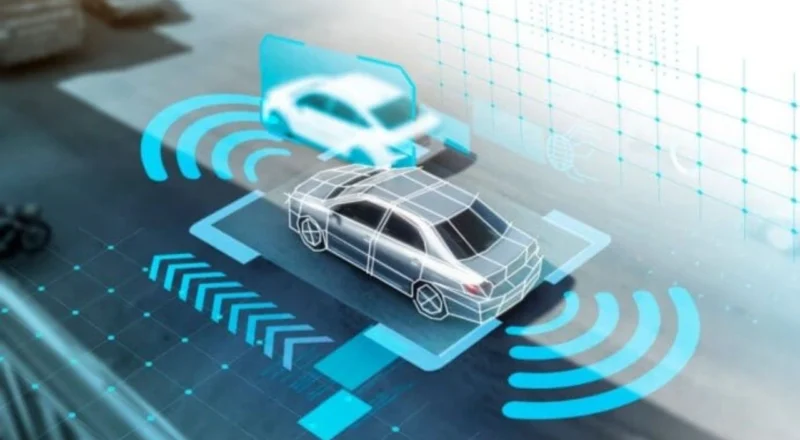
Self-Driving Cars Insurance: Self-driving technology promises safer roads, but insurance liability questions remain unresolved as automation rapidly transforms transportation worldwide.
Autonomous vehicles are no longer science fiction. From driver-assist systems to fully autonomous prototypes, the shift toward self-driving cars is accelerating. However, one crucial question continues to puzzle drivers, insurers, and regulators alike — who pays after an accident involving a self-driving car? As automation blurs the line between human and machine responsibility, insurance frameworks must evolve quickly to keep pace with innovation.
The Rise of Self-Driving Cars and Why Insurance Rules Are Changing
Self-driving vehicles use a combination of artificial intelligence, sensors, cameras, radar, and machine learning to navigate roads. These technologies aim to reduce human error — which currently accounts for over 90% of accidents.
But when a vehicle is partially or fully autonomous, liability becomes complicated. Instead of a single responsible driver, multiple parties may be involved:
- The vehicle owner
- The software developer
- The manufacturer
- The fleet operator (ride-sharing companies)
- The sensor hardware provider
This complexity is why traditional insurance models are being challenged. In conventional accidents, determining fault is straightforward. But with autonomous vehicles, responsibility may shift from driver negligence to technological malfunction.
Read Also: EV Car Insurance Cost 2026: USA vs UK vs India vs Europe Comparison Guide
Levels of Automation and Why They Matter for Insurance
Understanding liability begins with knowing automation levels. The Society of Automotive Engineers defines six levels:
Level 0–2: Driver Still Responsible
These include features like lane assist, adaptive cruise control, and auto braking. The driver must remain alert and in control.
If an accident happens:
- The driver’s insurance typically pays
- Manufacturers rarely accept liability
Level 3: Shared Responsibility
At this stage, the car can drive itself under certain conditions, but the driver must take over when requested.
This creates gray areas:
- Did the driver react in time?
- Was the system alert adequate?
- Did software fail?
Liability may be shared.
Level 4–5: Full Autonomy
Fully autonomous vehicles require no human intervention. In these cases:
- The manufacturer or software provider may bear responsibility
- Product liability insurance becomes critical
- Driver insurance may become secondary or unnecessary
This shift marks the biggest transformation in insurance history.
Who Pays After a Self-Driving Car Accident?
There is no single answer. It depends on the circumstances. Below are the most common scenarios.
1. Driver Error Still Involved
Even in semi-autonomous vehicles, drivers must stay attentive. If they misuse the system:
- Driver’s insurance covers damages
- Negligence rules apply
- Manufacturer not liable
Example:
A driver activates autopilot but looks at their phone. The car crashes. The driver is responsible.
2. Software Malfunction
If autonomous software fails to detect an obstacle:
- Manufacturer liability insurance may pay
- Product liability laws apply
- Investigations examine system logs
This shifts responsibility from human to machine.
3. Sensor or Hardware Failure
If cameras or LiDAR malfunction:
- Component manufacturer may be liable
- Shared liability may occur
- Insurance companies investigate supply chain responsibility
4. Mixed Fault (Most Common Case)
Many accidents involve multiple contributing factors:
- Driver slow to respond
- Software misinterprets environment
- Poor road markings
In these situations:
- Liability is split
- Multiple insurers may pay
- Legal disputes may occur
How Insurance Companies Are Adapting
Insurance companies are already redesigning policies for autonomous vehicles. Major changes include:
Product Liability Coverage
Instead of insuring only drivers, insurers now consider:
- Software defects
- AI decision errors
- System updates
Manufacturer-Backed Insurance
Some automakers are offering built-in insurance for autonomous mode.
This means:
- If the car is driving itself, manufacturer covers damage
- If driver takes control, personal insurance applies
Usage-Based Insurance
Autonomous vehicles generate massive amounts of data. Insurers use this to:
- Analyze risk behavior
- Track autonomous vs manual driving time
- Adjust premiums dynamically
Data-driven insurance will dominate the future.
Real-World Example: How Liability Played Out
Consider a hypothetical scenario:
A Level 3 self-driving car is cruising on a highway. Suddenly, construction cones appear. The system fails to recognize them quickly. The driver receives a takeover alert but reacts late. The car hits a barrier.
Who pays?
Investigation finds:
- Software failed to detect cones immediately
- Driver delayed response
- Road signage unclear
Result:
- 50% manufacturer liability
- 30% driver insurance
- 20% shared infrastructure claim
This layered responsibility is becoming common.
Legal Challenges Around the World
Different countries are adopting different approaches:
United States
- State-based rules
- Manufacturers increasingly liable
- Courts still developing precedent
United Kingdom
- Insurers pay first
- Then recover cost from manufacturer
- Simplifies victim compensation
European Union
- Product liability expansion
- AI accountability frameworks
- Mandatory data recording systems
India
India is still developing regulations. Currently:
- Driver remains responsible
- Autonomous testing limited
- Insurance laws under review
Regulatory clarity will shape insurance evolution.
Step-by-Step: What To Do After a Self-Driving Car Accident
If you’re involved in an accident with a self-driving vehicle, follow these steps:
Step 1: Ensure Safety First
Move to safe location and check for injuries 🚑
Step 2: Document Everything
Take photos of:
- Vehicle damage
- Road conditions
- Dashboard alerts
- Sensors
Step 3: Save Vehicle Data
Autonomous vehicles store event data recorder logs. This is crucial evidence.
Step 4: Contact Insurance Immediately
Mention:
- Autonomous mode status
- Driver involvement
- Software alerts
Step 5: Avoid Admitting Fault
Liability may be complex. Let experts analyze.
Step 6: Report to Authorities
Some regions require reporting autonomous incidents.
Proper documentation speeds up claim settlement.
Will Drivers Still Need Insurance in the Future?
This is a major debate. Three possible models are emerging:
Model 1: Driver Insurance Continues
Drivers remain responsible in mixed autonomy scenarios.
Model 2: Manufacturer Insurance
Automakers bundle insurance into vehicle purchase.
Model 3: Fleet-Based Insurance
Robotaxi services carry corporate insurance.
Eventually, personal insurance may shrink but not disappear.
Benefits of Autonomous Insurance Models
Self-driving technology may actually improve insurance:
- Fewer accidents
- Faster claim processing
- Data-driven fault determination
- Reduced fraud
- Lower premiums long-term
Automation could make insurance cheaper.
Risks and Concerns
However, challenges remain:
- Cybersecurity risks 🔐
- Software update liability
- AI decision transparency
- Data privacy concerns
- Legal disputes over responsibility
Insurance must evolve alongside technology.
FAQ: Self-Driving Car Insurance
1. Who is liable if autopilot crashes?
It depends. Driver may be liable in partial autonomy, manufacturer in full autonomy.
2. Will insurance premiums increase?
Short term yes, due to uncertainty. Long term, premiums may decrease due to safer roads.
3. Do autonomous cars eliminate accidents?
No. They reduce but do not eliminate crashes.
4. Can manufacturers deny liability?
Yes, if the driver misused the system or ignored warnings.
5. Is self-driving insurance mandatory?
Currently yes, traditional insurance is still required in most countries.
Read Also: Big EV News: Honda-Sony Afeela Project Halted
The Future of Liability: Shared Responsibility
Experts predict a hybrid liability model:
- Drivers responsible for misuse
- Manufacturers responsible for system errors
- Software companies accountable for AI decisions
- Governments responsible for infrastructure
This distributed responsibility ensures fair compensation for victims.
Conclusion: What Drivers Should Know Today
Self-driving cars are transforming mobility, but insurance rules are still evolving. There is no single answer to who pays after an accident — responsibility depends on automation level, driver involvement, and technical performance.
For now, drivers should:
- Maintain proper insurance coverage
- Understand their vehicle’s autonomy level
- Stay attentive even with autopilot
- Document incidents carefully
- Follow manufacturer guidelines
As technology matures, insurance will shift from driver-centric to technology-centric models. Until then, shared liability will dominate the landscape.
The road ahead is autonomous, but accountability remains human — at least for now.
[…] Read Also: Self-Driving Cars Insurance: Who Pays Insurance After an Accident in the Autonomous Driving Era? […]