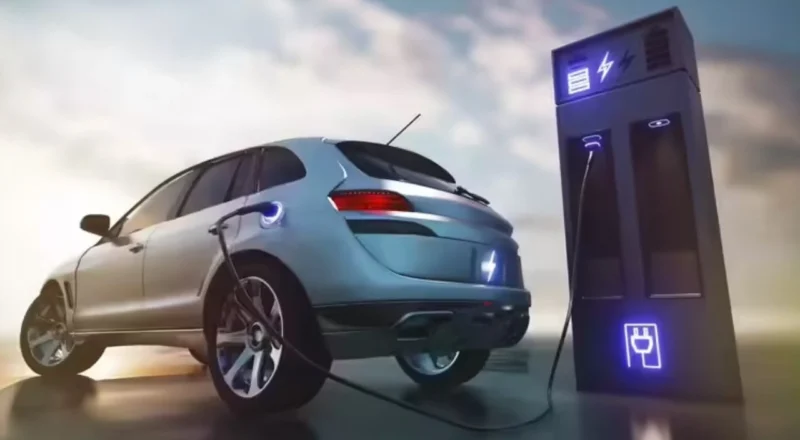
Delhi May Expand EV Tax Benefits: Electric vehicles are gradually transforming the transportation sector around the world, and India’s capital city, Delhi, is determined to remain at the forefront of this transition. As concerns about air pollution, climate change, and rising fuel costs continue to grow, policymakers are increasingly turning toward electric mobility as a sustainable alternative to conventional petrol and diesel vehicles.
In recent years, Delhi has taken bold steps to promote the use of electric vehicles through financial incentives, tax exemptions, and the development of charging infrastructure. The city’s electric vehicle policy, launched in 2020, has been widely recognized as one of the most ambitious EV promotion programs in India.
However, the government now believes that additional measures may be necessary to accelerate the shift toward cleaner mobility. As a result, authorities are considering expanding EV tax benefits and introducing a new set of incentives under an updated policy framework.
The proposed policy could significantly reduce the cost of electric vehicles, expand support for charging infrastructure, and encourage more residents to switch to environmentally friendly transportation. If implemented, the expanded benefits could mark an important turning point in Delhi’s journey toward becoming a fully electric mobility hub.
Delhi’s Growing Commitment to Electric Mobility
Delhi’s push toward electric vehicles is largely driven by its urgent need to improve air quality. The city has struggled with severe air pollution for decades, with vehicle emissions contributing significantly to the problem.
Millions of petrol and diesel vehicles travel on Delhi’s roads every day, releasing pollutants such as nitrogen oxides, particulate matter, and carbon dioxide into the atmosphere. These emissions have serious health implications for residents and contribute to climate change.
Electric vehicles offer a promising solution because they produce zero tailpipe emissions. By replacing conventional vehicles with EVs, cities can significantly reduce air pollution and improve urban air quality.
Recognizing this potential, the Delhi government has made electric mobility a key part of its environmental strategy. The original EV policy introduced several incentives designed to encourage residents and businesses to adopt electric vehicles.
Since the policy was launched, EV registrations in Delhi have increased steadily. Electric two-wheelers, three-wheelers, and cars are becoming more common on the city’s roads, and the number of charging stations is growing.
Despite this progress, the government believes that further incentives could accelerate adoption and help the city reach its ambitious sustainability goals.
Read Also: Best Family EV Cars for Parents With Small Children (2026 Guide)
Understanding the Current EV Policy in Delhi
Delhi’s electric vehicle policy was introduced with the aim of making EVs a practical and affordable option for everyday transportation.
The policy offers several financial benefits to encourage consumers to purchase electric vehicles instead of petrol or diesel models. These benefits include purchase subsidies, tax exemptions, and incentives for installing charging infrastructure.
For example, buyers of electric two-wheelers currently receive financial incentives based on battery capacity, making these vehicles significantly more affordable. Electric three-wheelers, which are widely used for commercial transportation, also qualify for government incentives.
One of the most important features of the policy is the exemption from road tax and registration fees for electric vehicles. These costs can be substantial for traditional vehicles, so removing them helps reduce the overall purchase price of EVs.
The government has also introduced incentives for installing charging infrastructure in residential and commercial buildings. This ensures that EV owners have convenient access to charging facilities.
Together, these measures have helped create a supportive environment for electric mobility in the city.
Why Delhi Is Considering Expanding EV Tax Benefits
Although the existing policy has been successful, several factors have prompted the government to consider expanding EV incentives.
One major reason is the need to accelerate EV adoption across all vehicle categories. While electric two-wheelers and three-wheelers have gained popularity, electric cars still represent a relatively small portion of total vehicle sales.
Higher upfront costs remain a barrier for many consumers. Even though EVs can save money in the long run through lower fuel and maintenance costs, the initial purchase price can discourage buyers.
By expanding tax benefits and subsidies, the government hopes to make electric cars more accessible to middle-class families.
Another motivation is the urgent need to reduce air pollution. Delhi frequently experiences hazardous air quality levels, particularly during winter months when pollution levels rise dramatically.
Encouraging more residents to switch to electric vehicles could help reduce emissions and improve public health.
The expansion of EV tax benefits is also aligned with India’s broader national strategy to promote electric mobility and reduce dependence on fossil fuels.
Proposed Incentives for Electric Cars
One of the most anticipated aspects of the new EV policy is the possible reintroduction of subsidies for electric cars.
In the earlier version of the policy, incentives for electric four-wheelers were available only for a limited number of vehicles and were eventually discontinued once the quota was reached.
Under the proposed policy revision, the government may introduce new incentives for electric car buyers. These incentives could be linked to battery capacity and vehicle price, ensuring that benefits are targeted toward affordable models.
The aim is to make electric cars more competitive with petrol-powered vehicles in terms of pricing.
Reducing the cost gap between EVs and traditional vehicles could significantly increase adoption rates, particularly among urban families who rely on cars for daily commuting.
Stronger Support for Electric Two-Wheelers
Two-wheelers are one of the most common forms of transportation in Delhi and across India. As a result, increasing the adoption of electric two-wheelers could have a major impact on reducing pollution.
The proposed policy may introduce enhanced subsidies for electric scooters and motorcycles. These incentives could make electric two-wheelers more attractive to consumers who are currently using petrol-powered models.
Many electric two-wheelers already offer lower operating costs and require less maintenance than conventional motorcycles.
With additional financial incentives, these vehicles could become an even more appealing option for daily commuting.
Expanding support for electric two-wheelers could also help students, delivery workers, and small business owners transition to cleaner transportation.
Potential Benefits for Hybrid Vehicles
Another topic under discussion is the possibility of extending certain tax benefits to hybrid vehicles.
Hybrid vehicles combine a petrol engine with an electric motor, allowing them to operate more efficiently than conventional vehicles. Although they are not fully electric, they produce fewer emissions and consume less fuel.
Some policymakers believe that hybrid vehicles could serve as a transitional technology while the EV ecosystem continues to develop.
If hybrid vehicles receive road tax exemptions or reduced taxes, they could become more affordable for consumers.
However, environmental experts remain divided on this proposal. Some argue that incentives should focus exclusively on fully electric vehicles in order to achieve the greatest environmental impact.
Scrappage Incentives for Older Vehicles
In addition to tax benefits, the government is also considering introducing scrappage incentives.
These incentives would encourage owners of older petrol and diesel vehicles to retire their vehicles and replace them with electric models.
Older vehicles often produce higher levels of pollution due to outdated engines and emission systems. Removing these vehicles from the roads could significantly reduce air pollution.
Under the proposed program, drivers who scrap their old vehicles may receive additional financial incentives when purchasing an electric vehicle.
Such programs have been implemented in several countries and have proven effective in accelerating the transition to cleaner transportation.
Expanding Charging Infrastructure
Financial incentives alone are not enough to ensure widespread EV adoption. A robust charging infrastructure is essential for supporting electric mobility.
Delhi has already made significant progress in this area by installing public charging stations in various parts of the city. However, more stations are needed to meet future demand.
The government plans to expand the charging network by encouraging both public and private sector investment.
Charging stations may be installed in residential complexes, office buildings, shopping centers, and public parking areas. Fast-charging stations along highways could also make long-distance travel easier for EV owners.
In addition, policies may encourage property developers to include EV charging facilities in new residential and commercial buildings.
Improving charging accessibility will help reduce concerns about battery range and make EV ownership more convenient.
Economic Opportunities from EV Expansion
The expansion of electric vehicle incentives could create new economic opportunities for Delhi and the wider Indian economy.
The EV sector includes a wide range of industries, including battery manufacturing, charging infrastructure development, software technology, and vehicle production.
As demand for electric vehicles grows, companies may invest in new manufacturing facilities, research centers, and service networks.
This could create jobs in areas such as engineering, construction, maintenance, and technology development.
Small businesses may also benefit from providing EV-related services, including charging stations, repair shops, and battery recycling facilities.
By promoting electric mobility, Delhi could position itself as a major hub for EV innovation and investment.
Challenges Facing the Policy Expansion
While the proposed expansion of EV tax benefits has many potential advantages, it also presents several challenges.
One challenge is ensuring that the incentives remain financially sustainable. Providing subsidies and tax exemptions requires government funding, and policymakers must carefully manage these expenses.
Another challenge is ensuring that charging infrastructure grows at the same pace as EV adoption.
If the number of electric vehicles increases faster than the availability of charging stations, drivers may experience inconvenience.
Battery costs also remain a significant factor in EV pricing. Although prices have declined in recent years, batteries still represent a large portion of the overall cost of electric vehicles.
Addressing these challenges will require careful planning and collaboration between government agencies, manufacturers, and energy providers.
Delhi’s Influence on India’s EV Policy Landscape
Delhi’s EV policies are often viewed as a benchmark for other Indian states.
Because the city faces severe pollution challenges, its efforts to promote electric mobility receive significant attention from policymakers and industry leaders.
If the new policy successfully accelerates EV adoption, other states may adopt similar strategies.
Several states have already introduced their own EV incentives, but Delhi’s policy could help shape future national strategies for electric mobility.
The city’s experience demonstrates how targeted incentives and infrastructure investments can encourage consumers to embrace new technologies.
Read Also: Family EV Cars With Child Safety Features 2
The Road Ahead for Electric Mobility in Delhi
As the proposed policy moves forward, the future of electric mobility in Delhi looks promising.
Expanding tax benefits and incentives could make electric vehicles more affordable and accessible for a larger segment of the population.
Increased EV adoption could help reduce air pollution, lower greenhouse gas emissions, and improve public health.
At the same time, the growth of the EV industry could create economic opportunities and strengthen India’s position in the global clean energy transition.
While challenges remain, the continued development of supportive policies and infrastructure could accelerate Delhi’s transformation into a cleaner, more sustainable city.
Conclusion
Delhi’s plan to expand EV tax benefits represents a significant step in the city’s ongoing effort to promote electric mobility and reduce pollution.
By introducing new incentives for electric vehicles, strengthening charging infrastructure, and encouraging the replacement of older vehicles, the government aims to make clean transportation more accessible.
If implemented effectively, the expanded EV policy could accelerate the adoption of electric vehicles and set an example for other cities across India.
As technology continues to evolve and the demand for sustainable mobility grows, initiatives like these will play a crucial role in shaping the future of transportation.