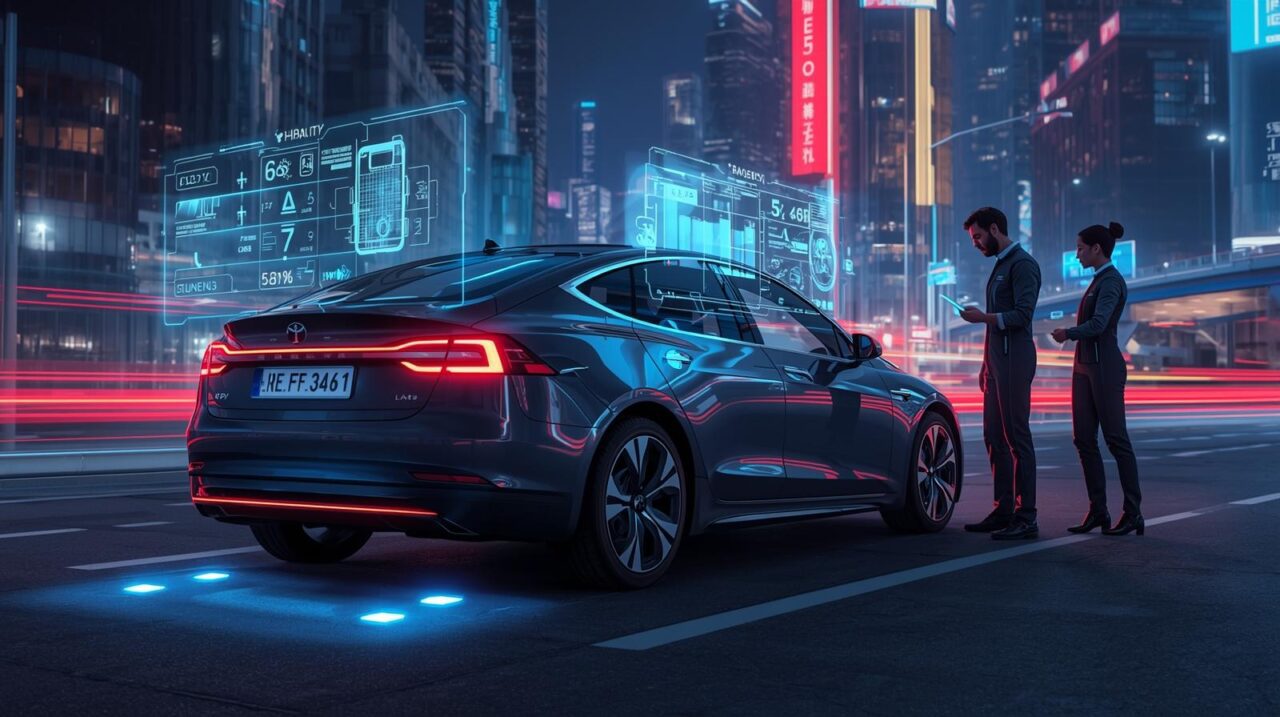
As electric vehicles (EVs) gain popularity, many owners assume that EV insurance works exactly like insurance for petrol or diesel cars. In reality, EV insurance claims are far more complex, and claim rejections are increasing year by year. The main reason is not fraud—but misunderstanding.
EVs rely heavily on batteries, software, sensors, and charging systems, all of which introduce new risks that traditional motor insurance policies were never designed for. As a result, insurers apply stricter inspections, deeper technical analysis, and tighter exclusions when processing EV claims.
This in-depth article explains why EV insurance claims get rejected, real-life scenarios owners face, how insurers investigate claims, and most importantly, how you can avoid claim rejection and protect your investment.
Why EV Insurance Claim Rejections Are Increasing
Insurance companies evaluate risk based on claim frequency and claim severity. While EVs may have fewer mechanical failures, when something goes wrong—especially with the battery—the costs are massive.
Key reasons for rising rejections include:
- High battery replacement costs
- Fire and flood-related risks
- Charging-related negligence
- Limited repairability
- Incomplete owner awareness
Because of this, insurers scrutinize EV claims far more strictly than ICE vehicle claims.
Most Common Reasons EV Insurance Claims Get Rejected
1. Battery Damage Without Accident Proof
This is the number one reason for EV claim rejection.
What Happens:
Owners notice reduced range, warning lights, or battery failure and file an insurance claim.
Why Insurers Reject It:
Insurance covers sudden and accidental damage, not gradual battery degradation or internal failure without an external cause.
If there is:
- No accident record
- No impact marks
- No fire or flood evidence
The claim may be classified as wear & tear, which is excluded.
✅ How to Avoid It
- Report even minor accidents immediately
- Take photos of underbody damage
- Get a diagnostic report from an authorized service center
2. Charging-Related Damage & Unauthorized Equipment
Charging mistakes are a silent claim killer.
Common Owner Mistakes:
- Using third-party or uncertified chargers
- Charging via extension cords
- Charging in areas with voltage fluctuations
- Ignoring overheating warnings
Insurer’s View:
If charging equipment is not OEM-approved, insurers may label the damage as owner negligence.
❌ Result: Claim rejection or partial settlement.
✅ How to Avoid It
- Use only manufacturer-approved chargers
- Install surge protection
- Keep charger installation receipts
- Never bypass safety warnings
3. Flood Damage & Delayed Disclosure
Flood-related EV claims are rising rapidly, especially in urban areas.
Why Flood Claims Are Tricky:
Water may not cause immediate damage. Battery corrosion develops silently, and fires or failures can occur days later.
Why Claims Get Rejected:
- Owner continued driving after flood exposure
- Vehicle was charged after water ingress
- Delay in informing the insurer
Insurers may argue aggravation of damage, leading to rejection.
✅ How to Avoid It
- Do not start or charge a flood-exposed EV
- Inform insurer immediately
- Get vehicle inspected before reuse
4. Aftermarket Modifications & Software Tampering
Many EV owners modify vehicles for:
- Faster charging
- Performance tuning
- Infotainment upgrades
Insurance Reality:
Any modification affecting:
- Battery management
- Charging system
- Software integrity
Can void insurance coverage.
✅ How to Avoid It
- Avoid unauthorized software updates
- Declare all modifications
- Stick to OEM accessories only
5. Ignoring Manufacturer Recalls & Updates
EV manufacturers frequently release:
- Battery software updates
- Thermal management fixes
- Safety recalls
Ignoring these can be fatal for insurance claims.
Insurer Argument:
If damage occurs due to a known issue and the owner ignored a recall, the claim may be rejected for contributory negligence.
✅ How to Avoid It
- Track recall notices
- Update software regularly
- Keep service records
6. Fire Claims with Unclear Origin
EV fires are rare but extremely expensive.
Why Claims Get Delayed or Rejected:
- Fire origin not clearly battery-related
- Evidence of external fire source
- Charging negligence suspected
Fire claims often require:
- Forensic investigation
- Battery log analysis
- OEM technical reports
If negligence is suspected, settlement may be reduced or denied.
Read Also: EV Battery Fires and Insurance: Causes, Claims & Coverage Explained
How Insurance Companies Investigate EV Claims
EV claim investigations are far more technical than ICE vehicles.
Step-by-Step Investigation Process
- Physical Inspection
- Underbody damage
- Battery casing integrity
- Battery Management System (BMS) Analysis
- Charging history
- Temperature logs
- Voltage irregularities
- Charging Equipment Review
- OEM vs third-party charger
- Installation safety
- Environmental Exposure Check
- Flood history
- Parking conditions
- OEM Technical Opinion
- Manufacturer diagnosis
- Repair feasibility
This process can take weeks, not days.
Total Loss vs Repair: Why Insurers Reject Repairs
EV repairs are limited by battery safety.
Insurers often declare total loss when:
- Battery integrity is compromised
- Repair cost exceeds 60–70% of IDV
- Fire or flood affects battery pack
Some owners feel cheated—but insurers do this to avoid future liability and safety risks.
Insurance Add-Ons That Reduce Claim Rejection Risk
Choosing the right add-ons is critical for EVs.
Must-Have EV Insurance Add-Ons
- Battery Protection Cover
- Engine & Motor Protection
- Zero Depreciation
- Return to Invoice (RTI)
- EV-Specific Roadside Assistance
These significantly improve claim approval chances.
Charging Safety: The Most Ignored Insurance Rule
Many EV claims fail due to unsafe charging practices.
Safe Charging Rules Every EV Owner Must Follow
- Avoid public or unstable power sources
- Never charge a damaged or flooded EV
- Use proper earthing
- Do not overload sockets
- Monitor overnight charging
Insurers increasingly ask for charger compliance proof.
Documentation Mistakes That Cause Rejection
Even valid claims can fail due to paperwork errors:
- Delayed intimation
- Incomplete claim forms
- Missing service history
- No photos or evidence
✅ Tip: Always document accidents immediately.
The Future of EV Insurance Claims
Insurance companies are adapting by:
- Using AI-based battery diagnostics
- Linking premiums to battery health
- Offering usage-based EV insurance
- Partnering with EV manufacturers
Over time, claim clarity will improve—but for now, owner awareness is crucial.
Final Thoughts
EV insurance claim rejections are rarely random. In most cases, they occur due to lack of awareness, charging negligence, delayed reporting, or policy misunderstanding. EV owners must treat insurance as part of vehicle ownership—not an afterthought.
By choosing the right policy, following safe charging practices, documenting incidents properly, and acting quickly after floods or accidents, you can dramatically reduce the risk of claim rejection.
Electric mobility is the future—but smart ownership is the key to enjoying it without financial shocks.
[…] Read Also: EV Insurance Claim Rejections: Reasons, Risks & How to Avoid Them […]
[…] Read Also: EV Insurance Claim Rejections: Reasons, Risks & How to Avoid Them […]